Application of Supercritical Carbon Dioxide Extraction Technology for Producing Antioxidant-Rich Gac Oil
The application of supercritical carbon dioxide (CO₂) extraction technology has led to the development of a Gac oil formulation rich in antioxidants and free from toxic organic solvents. This achievement is the result of a research project conducted by scientists from the Faculty of Food Technology, Nong Lam University, Ho Chi Minh City, under the leadership of Dr. Phan Tai Huan.
The implementation of this technology on an industrial scale is expected to open new directions for agricultural product diversification and to support Gac cultivation in several rural regions of Vietnam.
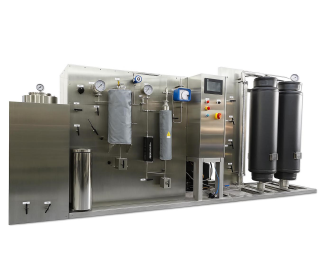
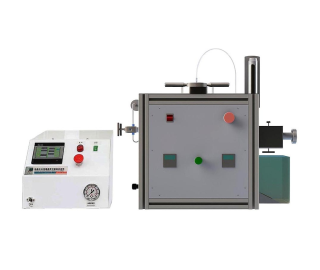
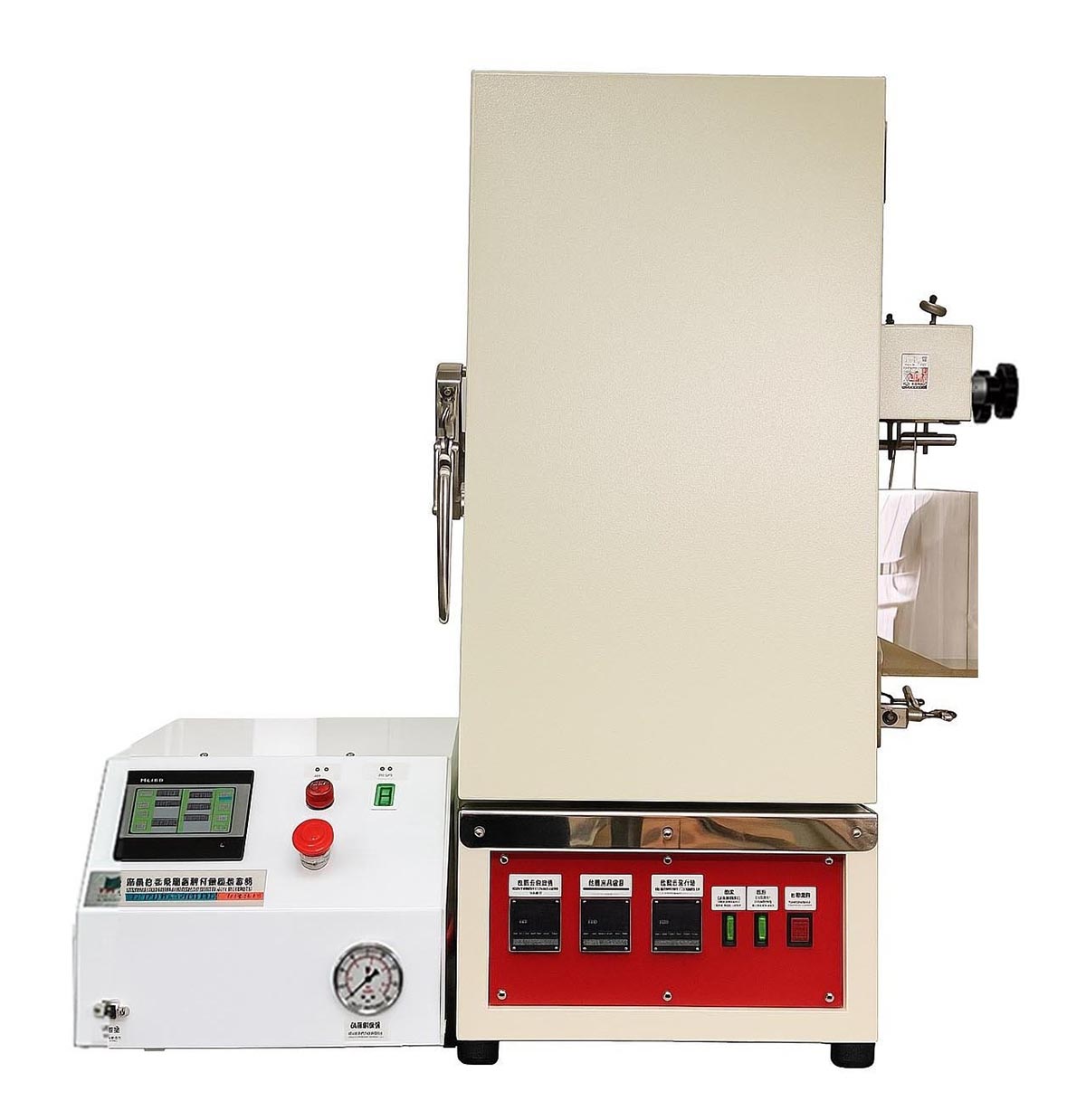
(Equipment used for Gac oil extraction – source: vpct.gov.vn)
Application of the New Technique
According to Dr. Phan Tai Huan, Vietnamese Gac fruit is one of the richest natural sources of antioxidant compounds. As a result, many international partners import crude Gac oil from Vietnam and then further refine it to obtain products with higher antioxidant concentrations and significantly greater commercial value.
In Vietnam, several manufacturers currently produce Gac oil through mechanical pressing; however, these products meet only a small portion of the demand in the functional food market. The concentration of bioactive compounds in Gac oil obtained from conventional processes remains too low for use in formulated nutraceuticals, pharmaceuticals, or high-end cosmetic applications.
To produce a formulation rich in bioactive compounds from Vietnam’s characteristic natural resources—intended for health enhancement and disease prevention—Dr. Phan Tai Huan and his team adopted supercritical carbon dioxide extraction technology. This technology has been widely applied worldwide for extracting natural essential oils, fragrances, and high-value lipid products rich in DHA and EPA, used across the food, pharmaceutical, and cosmetic industries.
Dr. Huan explained that supercritical CO₂ extraction is one of the most advanced extraction techniques currently commercialized for natural products with high biological activity. The process uses CO₂ at high pressure and moderate temperature, allowing extraction of thermally sensitive bioactive compounds without degradation. By adjusting pressure and temperature, the selectivity of dissolved compounds can be precisely controlled, enabling fractionation of extracts at different concentration levels.
“After extraction, CO₂ completely evaporates upon depressurization, leaving behind a 100% solvent-free, pure product with high functional and commercial value. Therefore, supercritical CO₂ extraction is particularly suitable for fractionating Gac oil rich in bioactive compounds and with high purity,” Dr. Huan emphasized.
Development Prospects
In Vietnam, this technology has been applied to the extraction of cajeput and melaleuca oils, but never before to Gac oil extraction. The bold application of this advanced technology has yielded promising results—producing Gac oil with significantly higher micronutrient content compared with traditional methods such as mechanical pressing or organic solvent extraction.
The project has successfully produced an antioxidant-rich, solvent-free Gac oil formulation, setting a direction for domestic manufacturers to adopt advanced technologies that enhance the value of Vietnamese food and pharmaceutical resources while promoting clean and sustainable extraction processes that attract foreign investment.
During the study, the research team also developed an optimized process for raw material treatment and established optimal technological parameters (pressure, temperature, flow rate, etc.) to ensure that the resulting Gac oil contains the highest possible levels of micronutrients, exhibiting strong antioxidant capacity and enhancing immune and disease resistance.
“Today, many countries are advancing green and clean extraction technologies for isolating natural compounds. If we can proactively adopt supercritical carbon dioxide extraction to exploit Vietnam’s rich natural and plant-based resources, we can develop numerous high-value bioactive products that benefit human health—not only for the domestic market but also for export in the food, pharmaceutical, and high-end cosmetic sectors,” Dr. Huan emphasized.
(Source: Vietnam News Agency – TTXVN)