Summary of ISO 188 – Vulcanized or Thermoplastic Rubbers: Accelerated Ageing and Heat Resistance Tests
Purpose: To evaluate the heat resistance and property degradation of rubber under accelerated conditions (high temperature) in order to predict durability in actual service.
Test Methods:
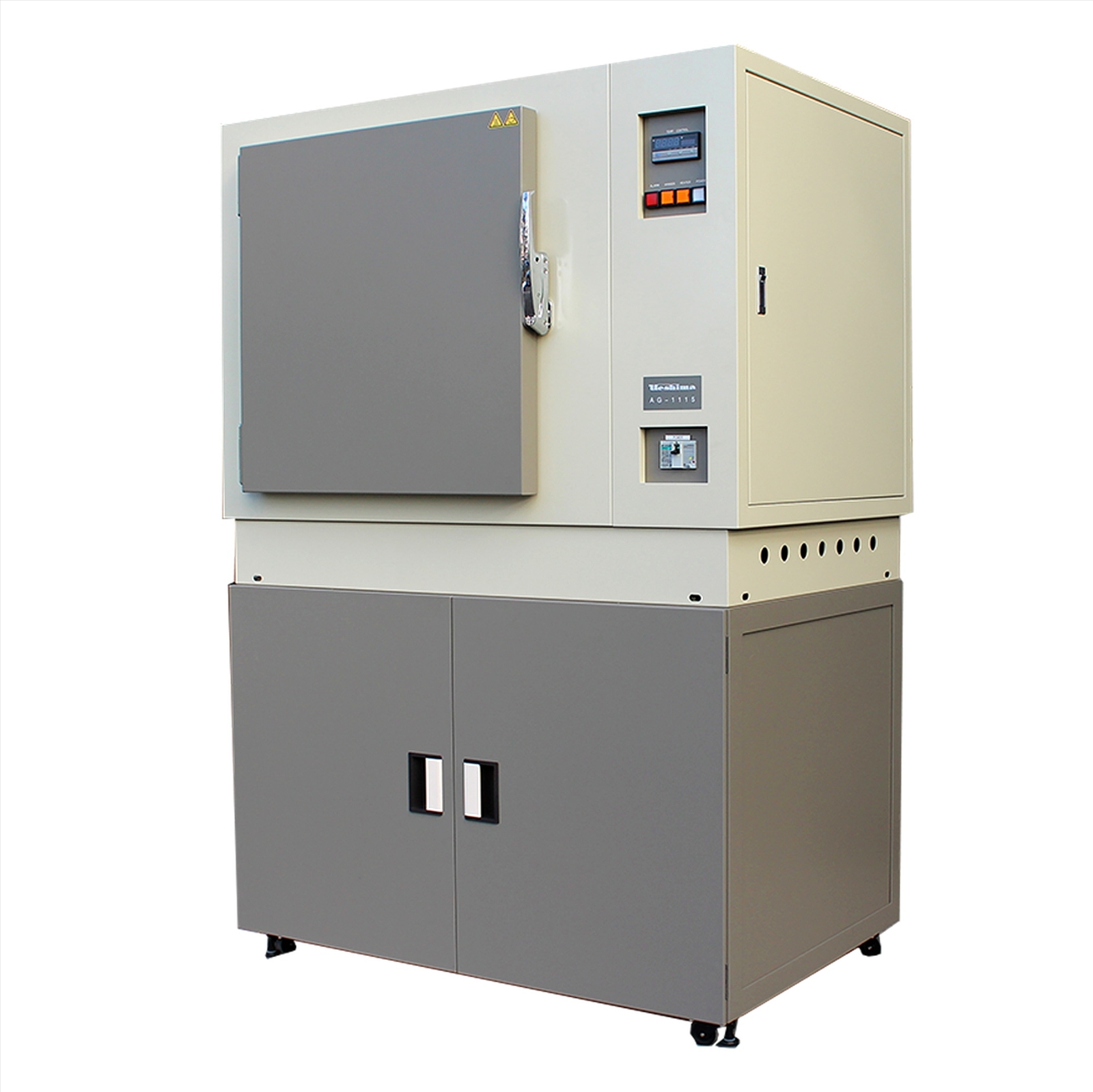
Method A: Air oven with low air speed (3–10 air changes/hour).
Method B: Air oven with forced circulation (0.5–1.5 m/s), higher air speed.
Principle:
Rubber test pieces are heated in air at normal pressure, then their properties (tensile strength, elongation, hardness, etc.) are measured and compared before and after ageing.
Accelerated ageing = higher-than-service temperature to shorten test time.
Heat resistance test = maintaining temperature similar to service conditions.
Test Requirements:
Samples must be prepared and conditioned properly, free from stress, and protected from light.
Distance between test pieces ≥ 10 mm, and ≥ 50 mm from the oven wall (for ovens with fan).
Time between vulcanization and testing: minimum 16 h (routine), 72 h (referee), maximum 4 weeks.
Test Conditions:
Temperature stability: ±1 °C below 100 °C; ±2 °C from 125–300 °C.
Test time and temperature determined by product requirements or mutual agreement.
Results:
Report property values before and after ageing, with % change or difference (for hardness).
Test Report Includes: Sample description, method (A/B), test conditions (oven, temperature, duration), properties measured, results before/after, date of test.
Annexes:
A: Determination of air speed in oven.
B: Precision (repeatability & reproducibility among laboratories).
C: Guidance on use of precision results.
D: Equipment calibration schedule.
In simple terms: This standard specifies how to perform “accelerated ageing” of rubber by controlled heating in an air oven, then comparing properties before and after, to predict durability and service life of rubber materials.